
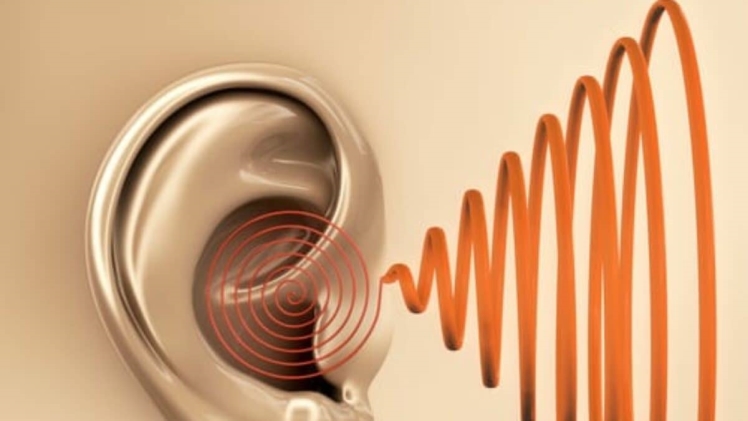
Tinnitus can be a relentless struggle, marked by a continuous ringing or buzzing in the ears that can disrupt daily life. Amidst various treatment options, sound therapy emerges as a beacon of hope. This article aims to shed light on the intricacies of sound therapy, a technique that promises relief to countless individuals suffering from tinnitus. By demystifying this approach, we seek to illustrate its potential benefits and how it can be a game-changer in tinnitus management.
What is Tinnitus? A Brief Overview
Tinnitus is often characterized by a persistent ringing, buzzing, or hissing sound in the ears, experienced without external noise. This condition is not just an auditory phenomenon but can also significantly affect one’s psychological well-being, leading to difficulty concentrating and sleep disturbances. It is crucial to understand the complexities of tinnitus, from its varied causes, such as exposure to loud noises and age-related hearing loss, to the diverse ways it impacts lives. For a deeper exploration into tinnitus and its effects, interested readers can find valuable insights on Tinnitus.
Sound Therapy: An Innovative Solution
Sound therapy represents a cutting-edge approach in the world of tinnitus treatment. Unlike traditional methods focusing on masking symptoms, sound therapy aims to retrain the brain to perceive tinnitus differently or divert attention away from it. This therapeutic approach is based on the scientific understanding that the brain can be reconditioned to reduce tinnitus sounds’ perceived intensity and annoyance. Sound therapy taps into this brain plasticity, offering a promising solution for many who suffer from tinnitus.
Diverse Techniques in Sound Therapy
Sound therapy encompasses a variety of methods, each targeting tinnitus in unique ways. Notched music therapy, for instance, involves listening to music with specific frequencies removed, corresponding to the tinnitus frequency, helping to reduce its prominence. Broadband noise techniques use a range of sound frequencies to provide a gentle masking effect, making tinnitus less noticeable. When selecting a sound therapy method, it’s crucial to consider the individual’s specific tinnitus characteristics, personal preferences, and lifestyle, ensuring the chosen technique aligns well with their unique needs.
Implementing Sound Therapy in Everyday Life
Incorporating sound therapy into daily life is a critical component in managing tinnitus effectively. This section offers practical guidance on seamlessly integrating sound therapy into various daily activities and environments. It includes tips on selecting the correct sound therapy tools, whether at home, work, or on the go, and adjusting the settings to suit different scenarios. Personalization is emphasized, ensuring the sound therapy experience is comfortable and effective, tailored to the individual’s lifestyle and needs.
Advancements in Sound Therapy Technology
The landscape of sound therapy is continually evolving, thanks to technological advancements. This article reviews the latest devices and applications for sound treatment, from wearable gadgets to mobile apps. We explore how these modern tools are more user-friendly and adaptable, offering cutting-edge solutions for individuals seeking relief from tinnitus. The focus is on innovative features that enhance the effectiveness of sound therapy, making it a more accessible and impactful option for tinnitus sufferers.
Combining Sound Therapy with Comprehensive Tinnitus Care
Sound therapy is most effective when part of a comprehensive tinnitus management plan. This section discusses the benefits of integrating sound therapy with other treatment modalities, such as medication, lifestyle changes, and psychological support. Real-life success stories are shared, illustrating how a multifaceted approach can significantly improve tinnitus symptoms. This integrated approach underscores the importance of addressing tinnitus from multiple angles to achieve the best possible outcomes.
Personalizing Your Sound Therapy Experience
Customization is crucial in sound therapy. This final section underscores the importance of tailoring sound therapy to each individual’s needs and preferences. Factors such as the type of tinnitus, lifestyle, and personal preferences are discussed to highlight the importance of a customized approach. The role of healthcare professionals in guiding patients through personalizing their sound therapy experience is also emphasized, ensuring that each individual’s treatment plan is as effective and beneficial as possible.
Evaluating Sound Therapy Outcomes
Measuring the success of sound therapy is crucial to ensure its effectiveness. This section delves into various methods used to assess the outcomes of sound therapy. It includes personal anecdotes and success stories highlighting the therapy’s impact on tinnitus symptoms. The importance of regularly evaluating and adjusting the sound therapy approach to meet evolving needs is discussed, emphasizing the dynamic nature of managing tinnitus.
Challenges in Sound Therapy
While sound therapy offers significant benefits, it has its challenges. This part addresses common obstacles and limitations encountered in sound therapy, such as individual variability in response and integrating therapy into daily life. Strategies to overcome these challenges are outlined to optimize treatment outcomes and enhance user experience.
Success Stories: Transforming Lives with Sound Therapy
Inspirational stories from individuals who have found relief through sound therapy form the core of this section. These narratives showcase a range of experiences and outcomes, offering insights and hope to others. The section also includes tips and practical advice from individuals who have successfully incorporated sound therapy into their tinnitus management plan.
Embracing Sound for Tinnitus Relief
The article concludes by summarizing the benefits and potential of sound therapy as a viable option for tinnitus relief. It encourages tinnitus sufferers to consider incorporating sound therapy into their overall management strategy. Looking forward, the article expresses optimism about the future of sound therapy, with advancements making it more accessible and effective for a broader range of tinnitus patients. The ultimate message is empowerment and hope, urging individuals to explore the possibilities that sound therapy offers in their journey to manage and mitigate tinnitus symptoms.
